








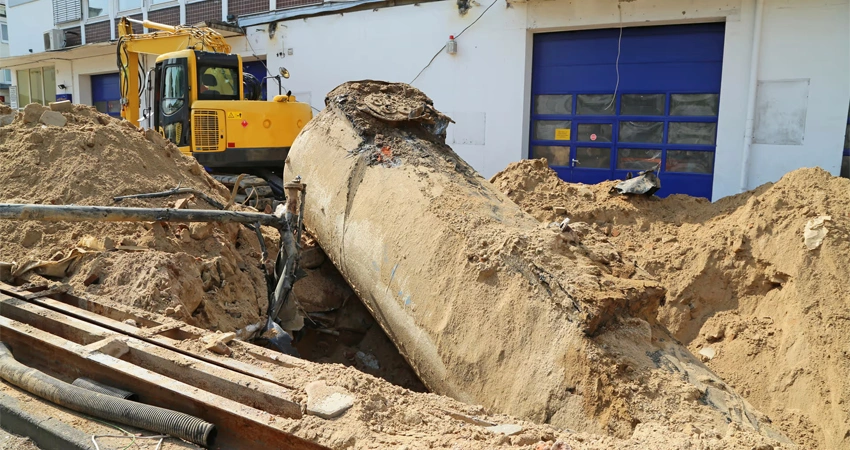
Underground Petroleum Storage Systems (UPSS) are vital components of the infrastructure that supports the storage and distribution of petroleum-based fuels. These systems are widely used in various industries, including petrol stations, commercial and industrial facilities, and even residential properties, where they play a critical role in ensuring a consistent and safe supply of fuels.
UPSS consist of a complex network of tanks, pipes, and associated equipment designed to store, monitor, and dispense various petroleum products, such as gasoline, diesel, and kerosene, safely underground. The primary purpose of these systems is to prevent fuel leakage, protect the environment, and maintain fuel quality.
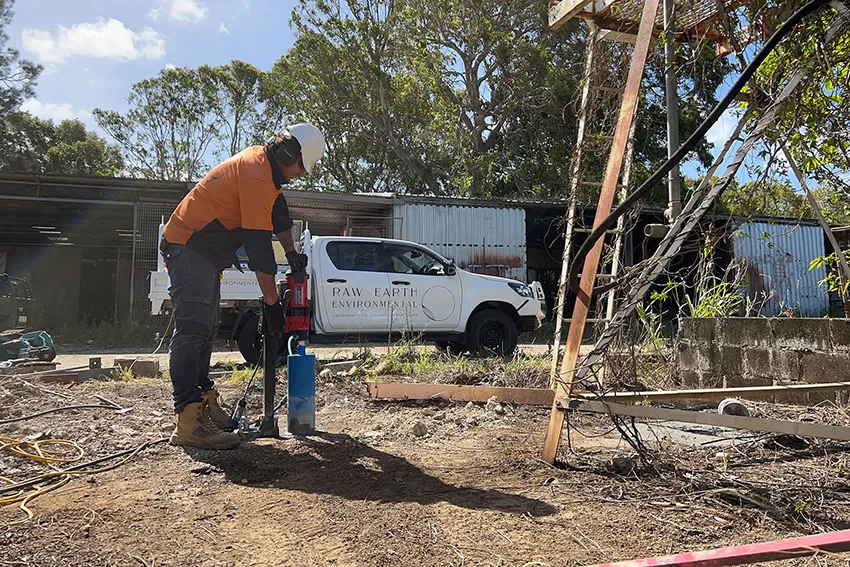

UPSS typically include underground storage tanks (USTs) made from materials like fiberglass-reinforced plastic (FRP) or steel. These tanks are designed to withstand the corrosive effects of petroleum products and external factors.

An intricate network of underground pipes connects the storage tanks to fuel dispensers. These pipes are specially engineered to prevent leaks and are equipped with leak detection systems.

UPSS are equipped with advanced monitoring and control systems that keep track of fuel levels, detect leaks, and ensure operational safety. These systems provide real-time data to operators and alert them to any anomalies.

Fuel dispensers are the visible components of UPSS. They are typically located at petrol stations and provide customers with a convenient means to fill their vehicles with fuel.
One of the primary objectives of UPSS is to protect the environment from potential fuel leaks. They are subject to stringent regulations and guidelines to ensure safe operation and prevent soil and groundwater contamination. Regular inspections and maintenance are essential to meet compliance standards. Their importance extends to various industries and aspects of daily life:
Underground Petroleum Storage Systems (UPSS) in Australia are subject to a comprehensive framework of regulations and standards designed to ensure environmental protection and public safety. Compliance is a critical aspect of managing UPSS, and it encompasses several key points:
Decommissioning of UPSS in Australia is a regulated process, subject to specific requirements. Here are key points to consider when decommissioning a UPSS in Australia:
Compliance and decommissioning are integral parts of the lifecycle of Underground Petroleum Storage Systems in Australia. Operators must be well-versed in the specific regulations and guidelines set by their local environmental protection authority to ensure safe and environmentally responsible management of UPSS. It's essential to work with professionals who understand the Australian regulatory landscape and can execute decommissioning processes in compliance with local standards.
Our specialists are ready to guide you through every stage of your project—from initial assessment to final execution. Get expert advice that ensures safety, efficiency, and long-term performance.
Complete the form below and one of our team will get back to you within 24 hours.
Our FAQs are designed to provide clear, concise answers to common questions, helping you better understand our approach, services, and how we support projects from initial assessment through to delivery.
An Underground Petroleum Storage System (UPSS) is a complex network of tanks, pipes, and associated equipment designed for the safe storage, monitoring, and distribution of petroleum-based fuels below the earth's surface. UPSS are commonly used in Australia, particularly in petrol stations, industrial facilities, and other locations where bulk fuel storage is necessary.
These systems consist of several key components, including underground storage tanks (USTs) made of materials like fiberglass-reinforced plastic (FRP) or steel. These tanks are constructed to withstand the corrosive nature of petroleum products while minimising the risk of leaks. The tanks are connected via a network of underground pipes to fuel dispensers. Monitoring and control systems are integrated to provide real-time data on fuel levels, detect potential leaks, and ensure operational safety.
The primary goal of UPSS is to prevent fuel leakage, protect the environment, and maintain the quality and integrity of stored petroleum products. Compliance with regulations and standards is essential to guarantee safe operation, and periodic inspections are carried out to verify system integrity.
The "Protection of the Environment Operations (Underground Petroleum Storage Systems) Regulation 2008" (UPSS Regulation) is a crucial piece of legislation in New South Wales, Australia. This regulation sets out the legal framework for the management of Underground Petroleum Storage Systems in the state. It is administered by the Environment Protection Authority (EPA) of New South Wales.
The UPSS Regulation focuses on ensuring the safe and environmentally responsible operation and management of UPSS to prevent soil and groundwater contamination. It covers various aspects, including the installation, maintenance, monitoring, and decommissioning of UPSS. Key provisions of the regulation include requirements for leak detection systems, inspections, record-keeping, and environmental assessment.
Compliance with the UPSS Regulation is mandatory for all operators of UPSS in New South Wales. Non-compliance can result in penalties and enforcement actions. The regulation reflects the commitment of the New South Wales government to safeguard the environment and public health by regulating the storage and handling of petroleum products in underground systems.
The Australian standard for the removal of underground storage tanks is AS 4976-2008 "The Removal and Disposal of Underground Petroleum Storage Tanks." This standard provides comprehensive guidelines and procedures for the safe and environmentally responsible removal and disposal of underground storage tanks used for petroleum products in Australia.
AS 4976-2008 outlines the necessary steps and requirements for tank removal, which include environmental assessments, site remediation, and proper disposal of tanks and associated equipment. The standard aims to ensure that tank removal processes do not pose risks to the environment, public health, or safety.
It sets out procedures for assessing the condition of tanks, addressing any contamination, and mitigating potential risks during removal. Compliance with this standard is crucial for operators and contractors involved in the decommissioning of underground storage tanks to ensure that these processes are carried out in a controlled and environmentally responsible manner.
Whether you're early-stage or ready to build, this tool helps you work out what reports you need — and how to bundle them into a single site visit.
Fast. Free. Custom to your stage.


We provide sustainable contaminated land, remediation, and geotechnical consulting services across Australia.


