



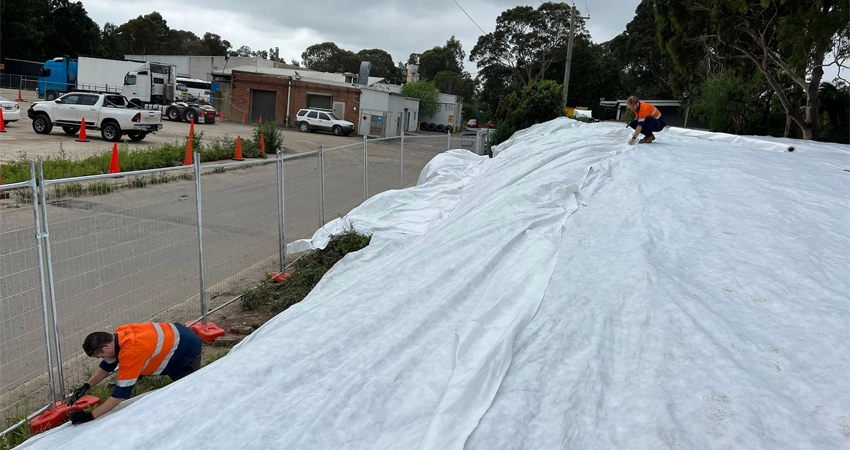
Soil and waste classification is a vital process for demolition and development projects. It plays a significant role in determining the fate of materials generated during these projects, whether they are destined for beneficial reuse, recycling, or off-site disposal. Proper soil and waste classification can result in substantial cost savings and ensure effective risk management for our clients.
Nova Group Pacific ensure the responsible management of waste materials. Our primary objective is to ensure environmental protection, human health preservation, and adherence to regulatory requirements. With expertise in waste classification, we are equipped to handle the sampling and data interpretation necessary to classify a wide array of waste materials, including solid waste, liquid waste, organic waste, and recyclable materials. We also specialise in dealing with hazardous waste materials, like asbestos. Our services extend to collecting and pre-classifying waste materials either on-site or after excavation has taken place, ensuring that soil and liquid waste is appropriately classified before removal from the site.
Soil and waste classification is strictly regulated by each state's Environment Protection Authority (EPA). These regulatory frameworks are in place to oversee and enforce the proper management and classification of waste materials. The EPA sets standards, guidelines, and compliance requirements, making it essential for project stakeholders to understand and adhere to these regulations to avoid legal repercussions and environmental harm.
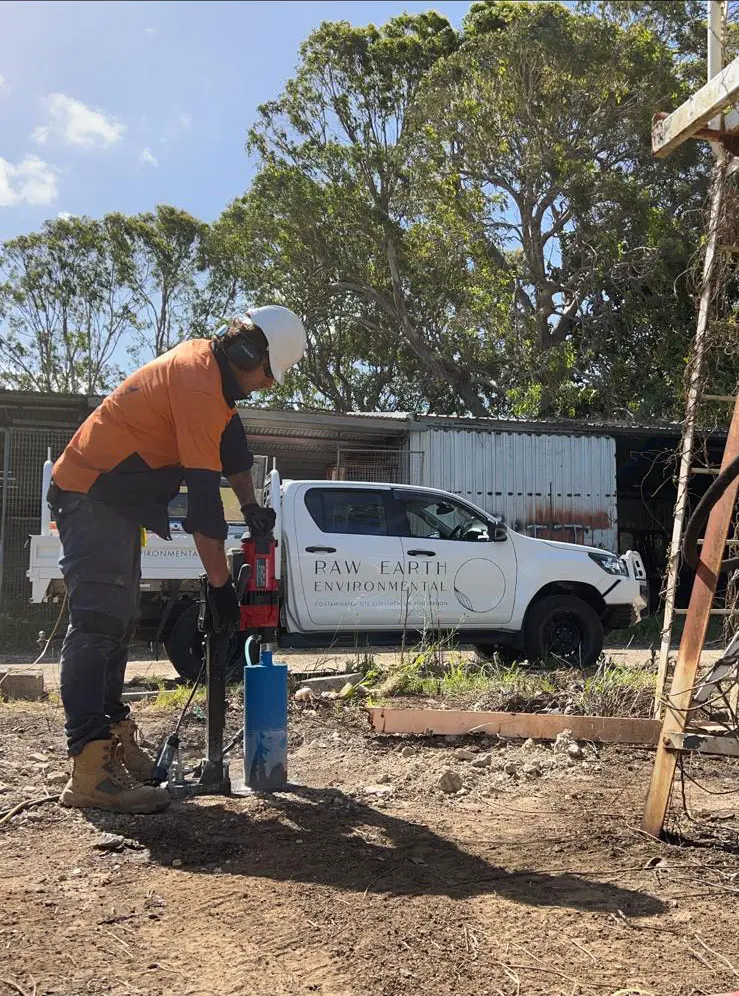
Waste materials generated in Australia are broadly classified into four main categories, each with specific criteria and considerations. Understanding these classifications is essential for responsible waste management in various sectors, including construction and demolition.

Hazardous waste includes materials that pose significant risks to human health and the environment due to their chemical, biological, or physical properties. This might encompass items like asbestos-containing materials, lead-based paints, and certain chemicals. Proper handling and disposal of hazardous waste are critical to prevent contamination and potential harm. Compliance with strict regulations ensures safe removal and disposal to specialised facilities designed for hazardous materials.

Non-hazardous waste consists of materials that do not exhibit harmful characteristics but still require responsible management. Material such as concrete, brick, and wood fall into this category. These materials can often be recycled or reused, reducing the environmental impact and disposal costs. Separating non-hazardous waste from hazardous waste is crucial for efficient and eco-friendly waste management practices.

Recyclable materials comprise items that can be reprocessed into new products. Construction materials like metals, cardboard, and clean timber are excellent examples. Recycling reduces the need for new resource extraction and minimises landfill waste.

Special waste encompasses materials that do not fit neatly into the previous categories. This includes items with specific handling requirements, such as contaminated soils, medical waste from construction sites, or waste that falls under specific regulations. Proper identification and management of special waste are crucial to ensure environmental protection and safety compliance.
Understanding these waste classifications is fundamental for making informed decisions in construction and demolition projects. Nova Group Pacific provides expert guidance to assist clients in classifying waste materials and implementing sustainable waste management practices.
One crucial aspect of waste classification deals with soil and rock materials. These materials are categorised as either Excavated Natural Material (ENM) or Virgin Excavated Natural Material (VENM). The classification of these materials is paramount to their subsequent use, recycling, or disposal. Proper classification can lead to cost-effective disposal fees and contribute to a more sustainable approach in demolition and development projects.

ENM is a classification used for naturally occurring materials, such as soil and rock, that are extracted during excavation processes. These materials can often be reused on-site or off-site for various construction and landscaping purposes. The proper classification of ENM ensures that it meets the criteria for environmentally friendly reuse, thus reducing the need for off-site disposal and minimising project costs.

VENM, on the other hand, is the classification for untouched, natural materials, usually found in untouched, pristine environments. When appropriately classified, VENM can also be reused or recycled, contributing to both environmental conservation and cost-effective disposal practices.
Nova Group Pacific's expertise in soil and waste classification ensures that these materials are correctly identified, facilitating their reuse or recycling whenever feasible, thus minimising the environmental impact of development and demolition projects.
Our specialists are ready to guide you through every stage of your project—from initial assessment to final execution. Get expert advice that ensures safety, efficiency, and long-term performance.
Complete the form below and one of our team will get back to you within 24 hours.
Our FAQs are designed to provide clear, concise answers to common questions, helping you better understand our approach, services, and how we support projects from initial assessment through to delivery.
In New South Wales (NSW), the disposal of soil is regulated to ensure environmental protection. Depending on the type and quantity of soil, you may need to consider recycling or disposal at a licensed facility. Local councils and environmental agencies can provide guidance on the proper disposal methods. Nova Group Pacific, an environmental management expert, can assist with soil disposal, ensuring it complies with NSW regulations.
Waste classification in NSW follows regulations established by the Environment Protection Authority (EPA). The process involves determining the nature of waste, its potential environmental impact, and the most suitable management options. This classification is vital for deciding whether waste can be reused, recycled, or must be disposed of in a landfill. Nova Group Pacific offers services for the accurate classification of waste materials in compliance with NSW regulations.
Waste classifications in Australia generally align with international standards, including the four primary categories: hazardous waste, non-hazardous waste, recyclable materials, and special waste. Each category has specific criteria to ensure proper waste management and environmental protection.
Soil waste is classified based on various factors, including its composition, contamination levels, and the presence of hazardous substances. The classification process helps determine whether soil can be reused, recycled, or needs to be disposed of in a controlled manner. Nova Group Pacific's specialised services include the precise classification of soil waste materials.
Soil waste is classified based on various factors, including its composition, contamination levels, and the presence of hazardous substances. The classification process helps determine whether soil can be reused, recycled, or needs to be disposed of in a controlled manner. Nova Group Pacific's specialised services include the precise classification of soil waste materials.
Whether you're early-stage or ready to build, this tool helps you work out what reports you need — and how to bundle them into a single site visit.
Fast. Free. Custom to your stage.

We provide sustainable contaminated land, remediation, and geotechnical consulting services across Australia.


