







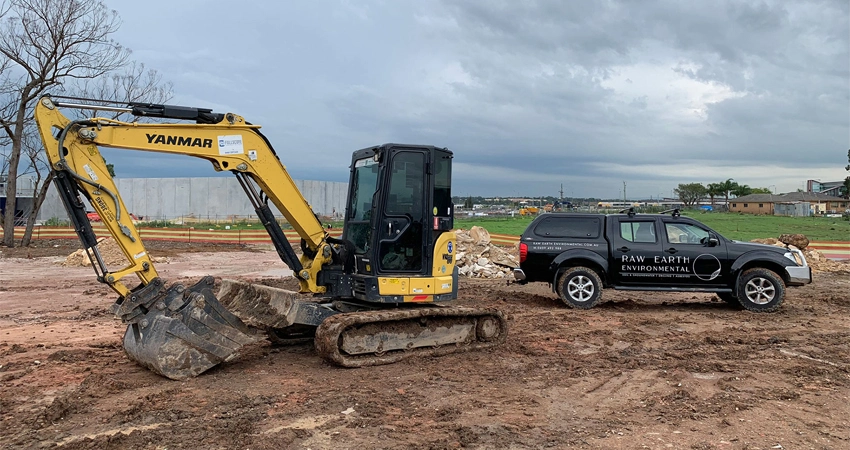
A Construction Environmental Management Plan, commonly referred to as a CEMP or EMP, is a vital tool in the realm of construction, project management and environmental compliance. It serves as a comprehensive framework that outlines the strategies, practices, and protocols employed to minimise and mitigate the environmental impacts associated with construction and development projects. CEMPs are meticulously designed, site specific documents crafted to ensure that construction activities are carried out in a sustainable and environmentally responsible manner.
The significance of CEMPs lies in their ability to strike a balance between the necessity for infrastructural development, legislative compliance and the preservation of our natural surroundings. These plans are crucial for achieving a harmonious coexistence between human progress and the protection of ecosystems, local communities, and sensitive habitats.
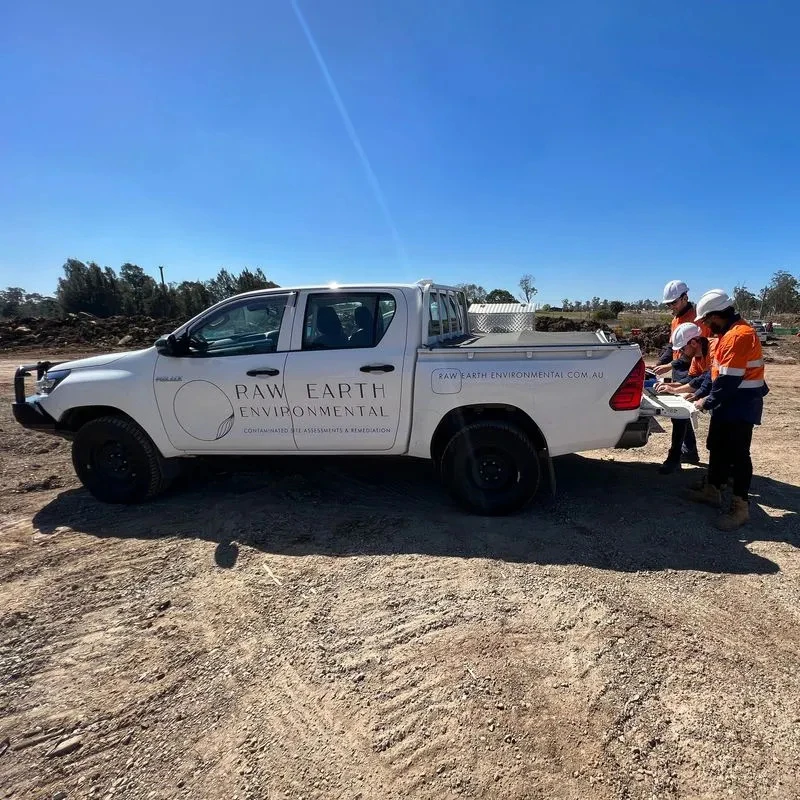
At its core, a CEMP is a dynamic and adaptable document that evolves as the construction project progresses. It is tailored to the specific needs and characteristics of the site and addresses potential environmental challenges. It sets forth guidelines and procedures for the management of construction-related factors such as noise, dust, vibration, erosion, flora and fauna, cultural heritage, contaminated land and waste disposal, which are essential for safeguarding the environment and heritage components of the site.
A well-structured CEMP is a multi-faceted document that integrates various components to ensure effective environmental management throughout the construction project. These components include:

Construction noise can disrupt communities. Strategies include scheduling noisy work during the day, using quieter or less intrusive equipment, erecting noise barriers, conducting noise monitoring, and communicating with residents about schedules.

Mitigation strategies are the heart of a CEMP, offering practical solutions to minimise or eliminate adverse environmental effects. These strategies address issues like soil and erosion, air and water pollution, noise, habitat disruption, contaminated land, environmental nuisance and waste.

Construction generates waste, including hazardous materials. Mitigation involves reducing, reusing, and recycling materials, proper handling, storage, and disposal of hazardous waste, waste tracking and promoting waste reduction among workers.

The foundation of a CEMP, an Environmental Assessment, involves a detailed evaluation of the construction site to identify potential environmental hazards and impacts. It assesses factors such as soil conditions, local ecosystems, water bodies, and the proximity of residential areas. This assessment is essential for recognising vulnerabilities and understanding the unique challenges that may arise during construction.

Construction sites often face soil and erosion issues that can harm water bodies, cause dust nuisance and damage infrastructure. To address this, strategies include erosion control measures like silt fences and sediment basins, along with sediment barriers and stormwater management systems are implemented and managed in accordance with legislative requirements.

Construction machinery can cause air and water pollution. Mitigation involves using well maintained equipment, ensuring equipment is regularly checked, serviced and is safe to operate, employing environmental controls such as spill kits, air monitoring, dust control measures like water spraying, and proper waste disposal.

CEMPs must align with local and national environmental regulations and permit requirements. This component ensures that construction activities are conducted within the legal framework, preventing potential legal disputes or environmental fines. Regular communication with regulatory bodies is also established to ensure ongoing compliance.

Construction projects continuously monitor and assess their environmental performance. CEMPs include a systematic approach for monitoring emissions, water quality, and other environmental indicators. Detailed records and reports are maintained and shared with relevant authorities as evidence of adherence to the plan and to facilitate corrective actions if necessary.
.png)
The CEMP will establish clear lines of communication and the methods of communication. This may be through pre-start meetings, toolbox talks, weekly progress meetings, emails, memo or safety alerts. The CEMP sets out the roles and responsibilities for each member of the project, the task which they will manage and how task will be delegated to team members. It is essential that all project team members are aware of their role, the method of reporting and how information is to be disseminated to the relevant team members.
Each of these components is meticulously developed and integrated into the CEMP, creating a cohesive plan that guides construction projects towards environmentally responsible practices and ensures sustainable development.
Our specialists are ready to guide you through every stage of your project—from initial assessment to final execution. Get expert advice that ensures safety, efficiency, and long-term performance.
Complete the form below and one of our team will get back to you within 24 hours.
Our FAQs are designed to provide clear, concise answers to common questions, helping you better understand our approach, services, and how we support projects from initial assessment through to delivery.
A Construction and Environmental Management Plan (CEMP) is a comprehensive document designed to guide construction and development projects in minimising and mitigating their environmental impacts. It outlines strategies, protocols, and measures to ensure that construction activities are carried out in an environmentally responsible and sustainable manner. A CEMP acts as a proactive tool that aims to harmonise the needs of construction with environmental protection.
A CEMP in the environmental context is a specialised plan tailored to construction and development projects taking place in sensitive or ecologically significant areas. It emphasises the preservation and protection of local ecosystems, wildlife, and the surrounding environment. Such CEMPs go beyond standard environmental compliance, addressing the unique challenges posed by the project's location. They incorporate measures to prevent habitat disruption, protect water bodies, whilst ensuring that the development occurs with the least harm to the natural surroundings.
The roles and responsibilities within a CEMP encompass various stakeholders involved in the construction project. These may include the construction company, project managers, environmental consultants, and regulatory authorities. Key responsibilities include:
The primary objective of a CEMP is to facilitate responsible and sustainable construction practices by minimising and mitigating the environmental impact of construction projects. It aims to strike a balance between human development and environmental preservation, ensuring that construction activities coexist harmoniously with nature. CEMPs aim to protect ecosystems, reduce pollution, safeguard public health, reduce disruption to the local community and foster a commitment to sustainability.
A well-rounded CEMP typically includes:
Inclusion of these components ensures that the CEMP is a robust and adaptable document that guides the project towards its environmental goals and obligations.
Whether you're early-stage or ready to build, this tool helps you work out what reports you need — and how to bundle them into a single site visit.
Fast. Free. Custom to your stage.

We provide sustainable contaminated land, remediation, and geotechnical consulting services across Australia.


