








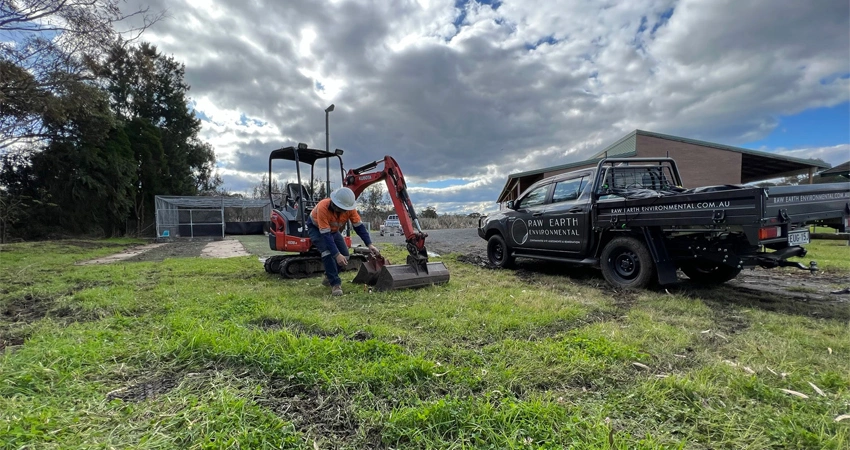
Acid sulfate soils, often abbreviated as ASS, are a unique type of soil that are characterised by their high levels of iron sulfides, which, when exposed to air or water, can produce sulfuric acid. This acidification process can lead to a range of environmental issues, making the understanding and management of acid sulfate soils crucial. As such, ASS are often requested as part of a Development Application (DA). Nova Group Pacific's Environmental Scientists and Geologists are experienced in the investigation and determination of acid sulfate soils. We can also provide tailor made Acid Sulfate Soil Management Plans for your site where required.
Acid sulfate soils, as the name suggests, are soils that have the potential to become acidic due to the presence of iron sulfides, most commonly in the form of pyrite (FeS2). When these soils are exposed to oxygen through activities like drainage or excavation, the iron sulfides oxidise, forming sulfuric acid. This acid can then leach into surrounding water bodies or affect plant and animal life in the area.
Acid sulfate soils can be found in various regions around the world, but they are most prevalent in coastal and estuarine areas. These soils are often associated with wetlands, mangroves, and tidal flats. Regions with a history of rice cultivation can also be hotspots for acid sulfate soils due to water management practices and organic matter decomposition.
In addition to coastal regions, acid sulfate soils can occur in inland areas where there is a high concentration of sulfide minerals in the soil. These areas may include former mining sites or locations with naturally occurring sulfide-rich rock formations.
Understanding the distribution and characteristics of acid sulfate soils is essential for land-use planning, environmental conservation, and agriculture.
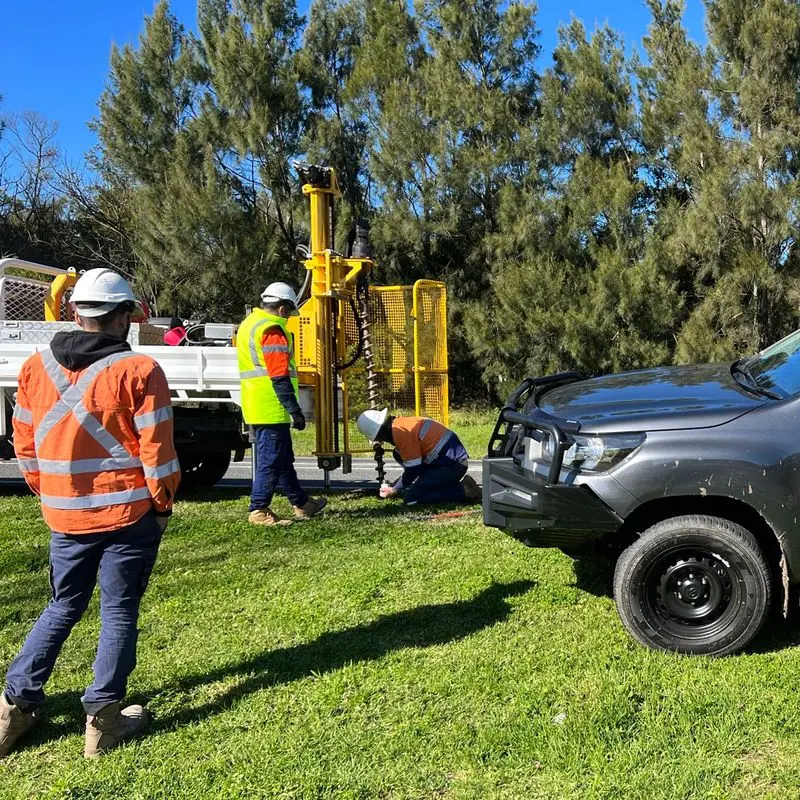
Acid sulfate soil investigations are vital for understanding the presence and potential impacts of these unique soils. The Nova Group Pacific team employ advanced technology for accurate sample collection, laboratory testing, and data analysis to conduct thorough acid sulfate soil investigations, providing valuable insights into potential environmental risks and management strategies.
In acid sulfate soil investigations, accurate data collection and testing procedures are essential. These steps involve:
Collecting representative samples and conducting comprehensive tests are fundamental in understanding and managing acid sulfate soils effectively.
Once the soil samples have been analysed, the data obtained is used to assess potential environmental impacts. The information collected during an acid sulfate soil investigation can help in the following ways:
Effectively managing acid sulfate soils (ASS) is critical to prevent environmental damage and mitigate potential risks. Nova Group Pacific offers custom Acid Sulfate Soil Management Plans, tailoring solutions to meet specific project needs.
Nova Group Pacific specialises in creating custom Acid Sulfate Soil Management Plans. These plans are designed to fit the specific needs and challenges of your project. Whether you're dealing with construction, land development, or conservation efforts, our experts work closely with you to craft a plan that meets regulatory requirements and safeguards the environment.
Our specialists are ready to guide you through every stage of your project—from initial assessment to final execution. Get expert advice that ensures safety, efficiency, and long-term performance.
Complete the form below and one of our team will get back to you within 24 hours.
Our FAQs are designed to provide clear, concise answers to common questions, helping you better understand our approach, services, and how we support projects from initial assessment through to delivery.
Acid sulfate soils, often referred to as ASS, are a type of soil with a high content of iron sulfides, most commonly in the form of pyrite (FeS2). These soils are characterised by their potential to produce sulfuric acid when exposed to air or water. The acid is a result of the oxidation of iron sulfides and can lead to soil and water acidity. Acid sulfate soils are typically found in coastal and estuarine areas, as well as in some inland regions with sulfide-rich rock formations. The acidification process can have adverse environmental impacts, affecting water quality and aquatic ecosystems, as well as posing challenges to construction and land use in affected areas.
Building on acid sulfate soil can be challenging and requires careful planning and management. When building on such soils, it's essential to consider the potential environmental and structural risks. Construction can disturb these soils, leading to acidification and, in turn, damage to infrastructure and the environment. To build on acid sulfate soil, one must:
Fixing or mitigating acid sulfate soils involves several strategies to prevent or manage soil acidification. These strategies may include:
Signs of acid sulfate soil include:
It's essential to conduct a soil investigation to confirm the presence of acid sulfate soils and take appropriate measures to manage them.
Whether you're early-stage or ready to build, this tool helps you work out what reports you need — and how to bundle them into a single site visit.
Fast. Free. Custom to your stage.


We provide sustainable contaminated land, remediation, and geotechnical consulting services across Australia.


